Professional Roof Services: Top-Tier Roofing Options for Every Budget
Professional roofing contractor solutions are essential for property owners seeking trustworthy and cost-effective roof services. These experts understand the importance of a properly built roof in protecting homes from weather conditions. They provide a range of options and services tailored to various budgets. However, many property owners face challenges in choosing the best solutions. Understanding typical roof problems and solutions can be vital in choosing wisely. What should property owners think about before selecting a roofing professional?
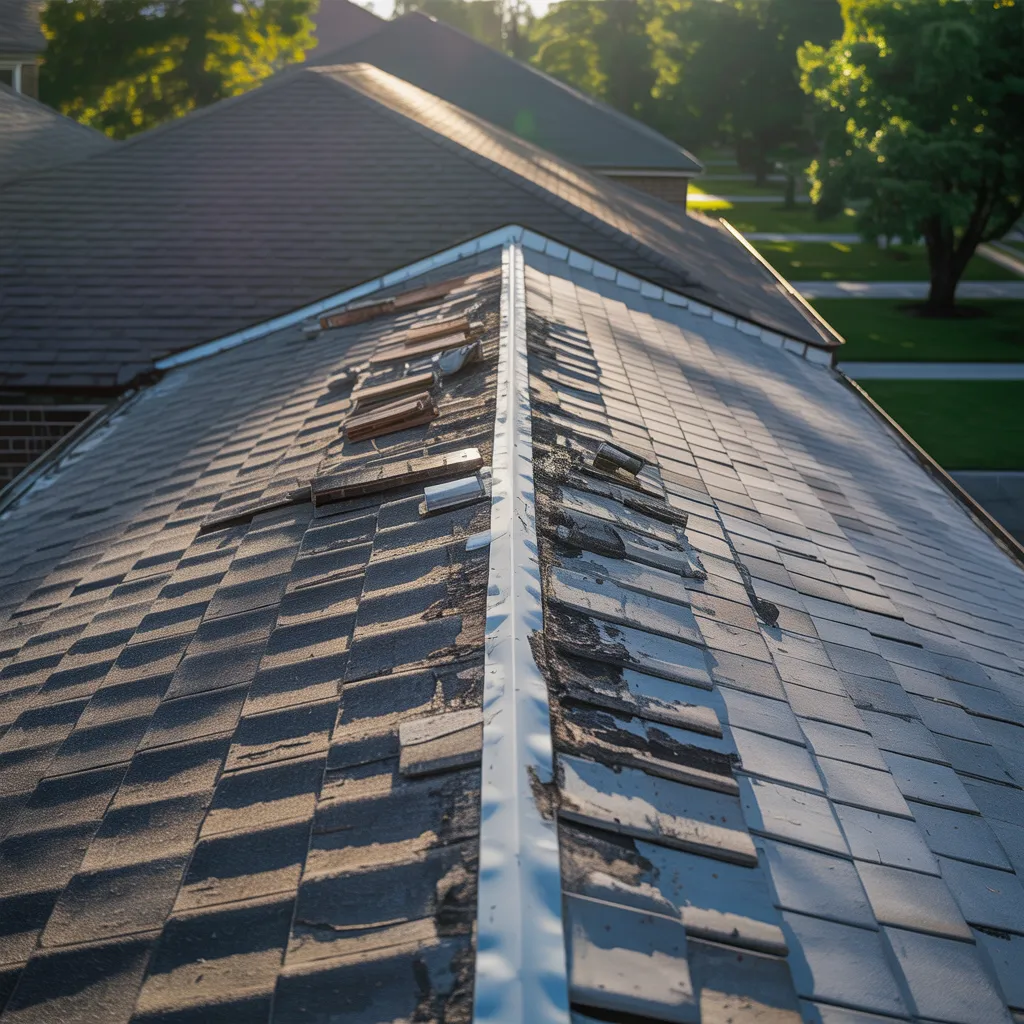
Why a Well-Maintained Roof Is Necessary
A excellent roof is essential for any building, as it acts as the main barrier against environmental elements. It protects the interior from precipitation, moisture, wind, and sun exposure, thereby maintaining the structural integrity and livability of the space beneath. A quality-built roof not only prevents leaks and water damage but also promotes energy efficiency by moderating temperature.
Plus, a high-quality roof enhances the aesthetic appeal of a property, raising its property value. Regular upkeep guarantees longevity, reducing the requirement for costly repairs or new installations. Moreover, committing to premium materials can provide superior warranties and improved durability.
In regions prone to severe weather, maintaining a robust roofing system becomes even more critical, safeguarding inhabitants and valuables. Overall, a solid roof is a key aspect of any building, underscoring its importance for safety, well-being, and financial security.
Leading Roof Troubles Homeowners Handle and How to Address Them
While homeowners might prioritize design and function, a number of typical roofing problems can undermine both. One common problem is roof leaks, often caused by faulty shingles or poor installation. Homeowners must regularly inspect their roofs, addressing any visible wear or gaps immediately. Another problem is poor ventilation, leading to heat buildup and moisture accumulation, which can damage roofing materials over time. Installing effective vents can lower this risk.
Furthermore, debris buildup, such as leaves and branches, can trap moisture and promote mold growth. Regular cleaning and maintenance are critical to prevent these hazards. Homeowners may also encounter issues with flashing, which can deteriorate and allow water infiltration. Fixing or replacing damaged flashing ensures waterproofing is maintained. By being proactive about these typical roof issues, homeowners can extend the life of their roofs and protect their investments effectively.
Categories of Roofing Materials: Costs and Gains
During the discussion of roofing materials, homeowners frequently evaluate asphalt shingles, metal roofing, and tile options. Each material provides unique advantages and costs that can greatly shape a roofing project. Understanding these factors is important for making an informed decision that aligns with both budget and aesthetic preferences.
Asphalt Shingles Guide
Asphalt shingles represent a preferred option in roofing solutions due to their affordability and adaptability. Offered in two main types—three-tab and architectural—these shingles cater to a variety of visual tastes and budgets. Three-tab shingles are typically more cost-effective, while architectural shingles offer enhanced longevity and a more luxurious appearance. Weighing approximately 2.5 to 3.5 pounds per square foot, asphalt shingles are lightweight, making them simple to install. Their service life ranges from 15 to 30 years, based on the quality and upkeep. Additionally, they come in an array of colors, allowing homeowners to customize their roof designs to complement their home's aesthetic. Overall, asphalt shingles provide a combination of affordability and dependable results, making them a favored option among homeowners.
Metal Roofing Pros
Metal roofing presents several advantages that make it a desirable option for homeowners looking for durability and efficiency. One of its most important benefits is longevity; metal roofs last 40 to 70 years, outliving traditional materials. Their resistance to extreme weather conditions, including high winds and heavy snow, strengthens their value. Furthermore, metal roofing reflects solar heat, aiding to reduce energy costs in warmer months. This energy-saving property is bolstered by its lightweight composition, lessening stress on the building's structure. In addition, metal roofs are easy to care for, requiring less upkeep than other roofing materials. With diverse styles and finishes to choose from, homeowners can obtain aesthetic charm while reaping the practical benefits of metal roofing.
Tile Roof Planning
What considerations should property owners assess when selecting tile roof systems? First, the beginning cost of tile roofing components can be higher than substitute materials, but their longevity often supports the spending. Tile roofs usually last 50 years or more, decreasing long-term replacement expenses. Additionally, homeowners should examine the heaviness of tile, as some buildings may demand reinforcement. Climate exerts a major role; tile performs well in hot, dry regions but can be susceptible to cracking in extreme cold. Visual options abound, allowing homeowners to select styles that increase curb appeal. Finally, evaluate maintenance requirements; while tile roofing is generally low-maintenance, periodic inspections are vital to ensure longevity and performance. Balancing these factors can support informed decision-making.
Choosing Your Perfect Roofer
How can property owners ensure they choose the best roofer for their needs? To start, they should research nearby roofing companies, focusing on their expertise and track record. Online reviews and testimonials can provide understanding into previous work and customer satisfaction. Furthermore, homeowners should confirm that the roofer is licensed and covered, ensuring protection against potential risks.
Next, acquiring multiple quotes is crucial. This allows homeowners to evaluate pricing, services offered, and materials used. Clear communication is vital; a reliable roofer should willingly answer questions and explain the process.
Finally, homeowners should inquire about warranties and guarantees on both products and labor. A trustworthy roofer will support their work, providing peace of mind. By following find details about these steps, property owners can make an informed decision, resulting in a quality roof installation that satisfies their particular requirements.
Budget-Smart Roofing Care Tips
Routine roof maintenance can significantly extend the lifespan of a home’s roofing system without putting strain on the budget. Homeowners can implement several budget-friendly approaches to make sure their roofs stay in top condition. First, regular inspections are necessary; searching for missing shingles, cracks, or debris can prevent costly repairs down the road. Clearing gutters and downspouts of leaves and dirt will support proper drainage, reducing the risk of water damage.
Additionally, homeowners should trim tree branches hanging over the roof to minimize the risk of destruction during storms. Applying a roof protective sealant can also protect against moisture intrusion without a costly financial commitment. Finally, keeping an eye on roof space ventilation will support regulate thermal and moisture balance, further extending the life of roof materials. By implementing these practical, affordable maintenance approaches, homeowners can effectively safeguard their roofs while remaining within their budget constraints.
Affordable Roofing Payment Options
Homeowners regularly come across unforeseen roofing repairs or replacements, which burden budgets even with regular maintenance efforts. To mitigate financial stress, many roofing companies offer affordable financing options geared toward individual needs. These options generally consist of low-interest loans, flexible payment plans, and special promotions that enable homeowners to handle costs effectively.
Some building contractors collaborate with financial institutions to supply effortless application methods, ensuring immediate access to funds. Additionally, certain government programs might present financial support or encouragement for efficient roof systems, further easing the financial hardship. Homeowners are inspired to explore these avenues, reviewing policies and guidelines to select the most fitting option for their situation.
Frequently Posed Questions
How Much Time Does a Typical Roofing Project Require to Finish?
A routine roofing project typically takes between one to three weeks to complete, depending on factors such as roof size, weather conditions, and the intricacy of the installation. Timelines may differ based on specific circumstances.
What Coverage Is Offered on Roof Materials and Installation?
The majority of roofing materials and services include warranties spanning 20 to 50 years, addressing defects and installation issues. Property owners should carefully review these warranties to understand coverage terms and limitations before deciding.
Can I Put a New Roof Over My Old One?
Yes, one can install a new roofing over an current roof, provided the current roof is in good condition and local building codes authorize it. However, it's vital to speak with a expert for specific guidance.
When Should I Upgrade My Roof? A Practical Guide
Signals representing a roof replacement necessity embrace heavy shingle damage, leaks, bowing, or age beyond 20-25 years. Homeowners should reach out to a professional for an appraisal when these challenges come to light to guarantee integrity and safety.
What Steps Should I Implement if My Roof Has a Leak?
If a roof leaks, the property owner should first contain the water to prevent damage. Next, they should examine the source of the water intrusion and think about calling a professional for a comprehensive evaluation and necessary repairs.